On Living With Fewer, Better Things
Why good design disappears—and why that matters
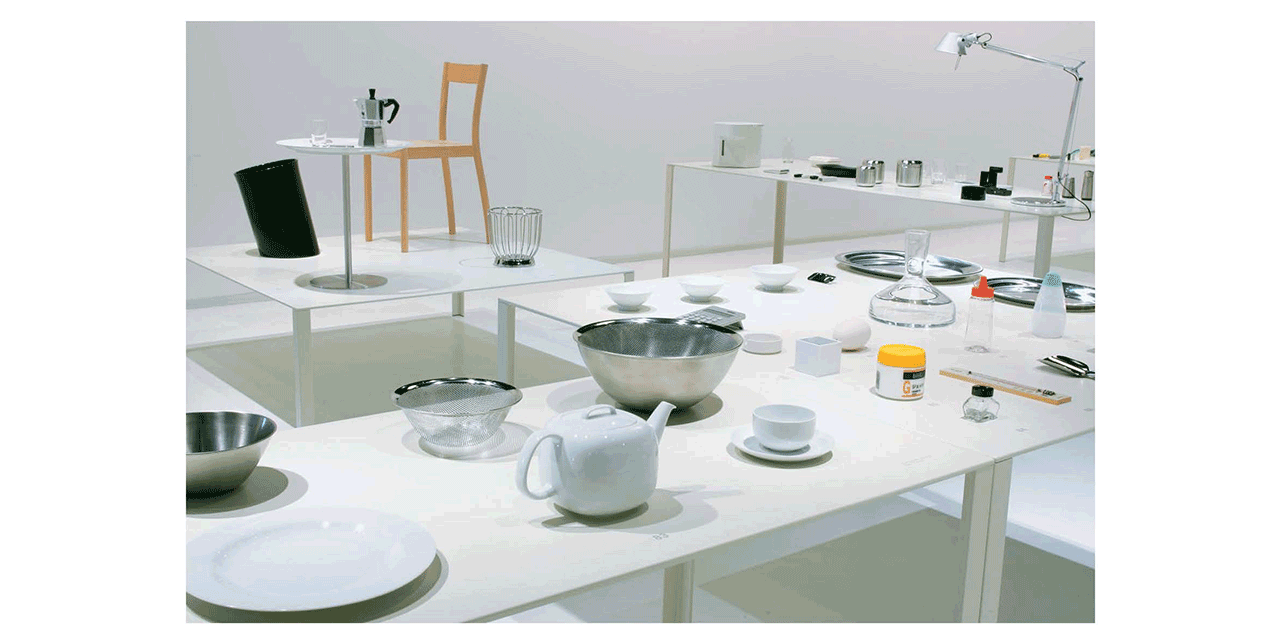
As I’ve gotten older, I’ve become far more discerning about what I allow into my environment—and why it’s there at all. Products, at least the ones we live with every day, should do two things well: work beautifully and quietly inspire. Anything less becomes noise.
I try to be deliberate. Every object earns its place. That mindset owes a great deal to the thinking of Naoto Fukasawa and Jasper Morrison, and their idea of Super Normal. The premise is deceptively simple: when a product reaches its most resolved state of function and design, it stops asking for attention. It disappears. You don’t think about it because there’s nothing to think about. It just works.
There’s something almost radical about that today. We live in a culture that rewards novelty, visual loudness, and constant upgrading. Products are designed to announce themselves—to signal taste, status, or cleverness. But the best ones don’t perform. They recede. They become part of the fabric of daily life.
A recent issue of The Modernist described these objects with a different word: ordinary. Not ordinary as in careless or generic, but ordinary in the deepest sense—objects so well considered that they feel inevitable. As if they could not be otherwise.
It has never been easier to buy things. One click, same-day delivery, infinite choice. And just as easily, we crowd our spaces with more and more objects, each one demanding a bit of our attention, maintenance, or decision-making energy. The accumulation is subtle, but the weight is real.
Being selective takes effort. Living with less takes intention. But I’ve found that insisting each object be quietly inspirational—even the simplest ones—changes how a space feels, and how I feel within it. The goal isn’t minimalism.
It’s presence.